

As older adults age, they often face a variety of challenges related to health, mobility, and emotional well-being. Among the most concerning issues are social isolation, loneliness, and frailty—three factors that not only affect an individual’s quality of life but also have a complex, often interrelated relationship. How do these factors influence one another? Can loneliness and isolation contribute to frailty, or vice versa? How can we break this cycle to improve the well-being of older adults?
we will explore the intricate connection between social isolation, loneliness, and frailty in older adults, looking at how these factors are interlinked and how they can have a compounded effect on health. We will delve into the research, examine the physical and emotional consequences of these issues, and discuss potential interventions to help prevent and address this challenging trio.
The Growing Concern: Social Isolation and Loneliness in Older Adults
What Is Social Isolation and How Does It Impact Older Adults?
Social isolation refers to a lack of social interactions, relationships, and engagement with others. For older adults, this can mean living alone, having few visitors or interactions with family or friends, or lacking involvement in community activities. The National Institute on Aging (NIA) reports that nearly 1 in 4 adults aged 65 and older are considered socially isolated.
Isolation is particularly prevalent among older adults who may have lost a spouse, friends, or family members over the years, or who suffer from physical disabilities that limit mobility and access to social opportunities. In extreme cases, isolation can lead to emotional distress, a decline in physical health, and a sense of disconnection from the outside world.
Loneliness vs. Social Isolation: What’s the Difference?
While social isolation refers to the absence of social contact, loneliness is the emotional experience of feeling disconnected, even when surrounded by others. An individual may be socially isolated, but not necessarily feel lonely, or vice versa. However, loneliness is often more detrimental to mental and physical health.
The AARP Foundation reports that 1 in 3 older adults experience loneliness, which has been linked to a range of health problems, including depression, anxiety, high blood pressure, and increased risk of chronic conditions. It’s important to note that loneliness can occur even in the presence of family or caregivers, particularly if the relationships feel superficial or unfulfilling.
Frailty in Older Adults: A Growing Health Concern
What Is Frailty and How Does It Affect Older Adults?
Frailty is a clinical syndrome characterized by a decline in strength, endurance, and overall physiological function. Frailty in older adults often leads to a higher risk of falls, disability, hospitalization, and even death. It is typically marked by a combination of physical weakness, unintentional weight loss, exhaustion, low physical activity, and slow walking speed.
According to the American Geriatrics Society, around 10-15% of older adults are considered frail, with the prevalence rising with age. Frailty often develops gradually and can be exacerbated by factors such as chronic illness, poor nutrition, and sedentary lifestyles.
The Impact of Frailty on Social and Emotional Health
Frailty significantly impacts an individual’s ability to engage socially. Physical limitations may prevent older adults from participating in community activities, visiting friends, or leaving their homes. This lack of mobility can lead to further social isolation and emotional distress, creating a vicious cycle.
The Complex Relationship: How Social Isolation, Loneliness, and Frailty Are Interconnected
Social Isolation and Loneliness as Contributing Factors to Frailty
Research has shown that social isolation and loneliness can contribute to the development of frailty in older adults. The National Institutes of Health (NIH) found that loneliness and lack of social interaction can lead to poor nutrition, decreased physical activity, and weakened immune systems—all of which increase the risk of frailty.
Socially isolated individuals may be less likely to engage in regular exercise or eat balanced meals, both of which are crucial for maintaining strength and energy. Additionally, the emotional toll of loneliness can lead to depression, which can further decrease motivation to care for oneself or seek medical attention for physical health problems.
Frailty Leading to Increased Social Isolation and Loneliness
On the flip side, frailty can also contribute to social isolation and loneliness. As individuals become frail, they may have difficulty leaving their homes, leading to a decrease in social interactions and a sense of detachment from the outside world. Physical limitations, such as difficulty walking or carrying out daily tasks, can also make it harder for individuals to participate in social activities, leading to further isolation.
Frailty also often results in a loss of independence, which can increase feelings of loneliness and helplessness. The American Psychological Association reports that individuals with frailty may experience feelings of embarrassment or shame about their physical limitations, which can prevent them from seeking social engagement or support.
The Physical and Psychological Consequences of the Triad: Social Isolation, Loneliness, and Frailty
Health Risks Linked to Social Isolation, Loneliness, and Frailty
The combination of social isolation, loneliness, and frailty significantly impacts the overall health of older adults. Research has demonstrated that individuals who experience all three of these issues are at greater risk for negative health outcomes, such as:
- Higher rates of hospitalization and emergency room visits
- Increased risk of mortality
- Worsening chronic conditions, such as heart disease, diabetes, and arthritis
- Cognitive decline and dementia
- Depression and anxiety disorders
The JAMA Internal Medicine journal published a study showing that social isolation and loneliness are linked to increased mortality rates in older adults. The presence of frailty further exacerbates these risks, creating a complex and challenging health landscape for aging individuals.
The Emotional Toll: A Sense of Disconnection
Beyond the physical implications, the emotional toll of this triad can be devastating. The loneliness experienced by isolated and frail older adults can lead to severe depression, feelings of worthlessness, and a diminished sense of self-worth. The inability to participate in social events, coupled with the loss of independence due to frailty, can lead to a vicious cycle of emotional and physical decline.
Moreover, loneliness has been shown to negatively affect cognitive health, contributing to memory loss and increasing the risk of developing Alzheimer’s disease and other forms of dementia. A lack of social interaction deprives the brain of the stimulation necessary to maintain cognitive function.
Interventions: Breaking the Cycle of Isolation, Loneliness, and Frailty
Enhancing Social Engagement for Older Adults
To address this triad of issues, interventions aimed at enhancing social engagement are crucial. Programs that promote community involvement, such as senior centers, exercise groups, or volunteering opportunities, can help reduce feelings of isolation and increase opportunities for socialization.
Encouraging intergenerational relationships—such as partnerships between older adults and younger generations—can also help combat loneliness while fostering mutual support and respect.
Addressing Frailty Through Prevention and Care
Preventing and managing frailty is key to reducing its impact on social isolation and loneliness. Interventions that promote physical activity, such as strengthening exercises, balance training, and mobility aids, can help reduce frailty and maintain independence. Nutrition programs, both at home and in community settings, can also ensure that older adults receive adequate nourishment to prevent weight loss and weakness.
Healthcare providers can also play a role by screening for frailty in older adults and implementing personalized care plans that focus on improving physical strength, mental health, and social connections.
Mental Health Support and Counseling
Addressing the emotional aspects of loneliness and frailty requires providing older adults with access to mental health resources. Counseling and therapy, particularly cognitive-behavioral therapy (CBT), can help individuals reframe negative thought patterns, increase emotional resilience, and improve coping strategies. Family and caregiver support can also play a significant role in helping individuals overcome feelings of loneliness and isolation.
Social isolation, loneliness, and frailty form a complex and interwoven triad that significantly impacts the health and well-being of older adults. Each of these factors reinforces the others, creating a cycle that can lead to severe physical, emotional, and cognitive decline. By addressing the social, physical, and psychological needs of older adults through interventions like increased social engagement, frailty prevention, and mental health support, we can help break this cycle and improve the quality of life for aging individuals.
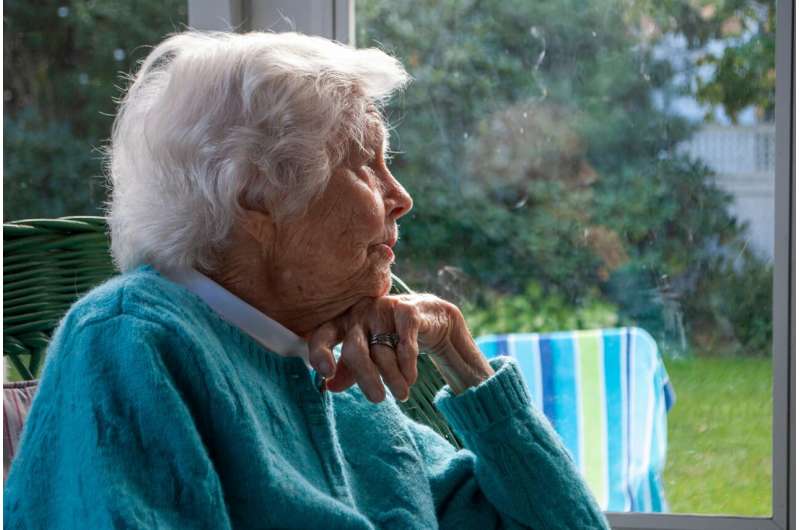
A new paper led by a Concordia researcher examines how social isolation, loneliness and frailty affect one another and the bidirectional relationship they exert as an individual gets older.
Fereshteh Mehrabi, a postdoctoral fellow in the Department of Psychology, and her co-authors write in the journal Age and Ageing that these conditions have a complex relationship.
The researchers analyzed seven waves of data collected from more than 2,300 older Dutch adults every three years between 1995 and 2016. They found that physical frailty can be an indicator of future social isolation over time and that loneliness may be both an antecedent and an outcome of frailty.
All three can also be self-reinforcing over time: people who are lonely and socially isolated may become frailer, and as they become frailer, their sense of isolation and loneliness grows. This becomes more pronounced as they grow older.
“In six out of seven waves of data we examined, covering 18 years, we found that older adults with frailty are more likely to experience loneliness, and in five out of seven waves, social isolation,” Mehrabi says.
Two decades of data
The data was collected by the Longitudinal Aging Study Amsterdam, which launched in 1992. The mean age of participants is 72.6 years with about 52% of them female. The minimum age for participation was 55.
To measure social isolation, participants completed six measures asking if they were unmarried, lived alone, had less than monthly contact with their children or other family members or friends, and if they participated in organized activities such as groups, clubs or religious services less than once a month. A higher score indicated greater social isolation. Mehrabi says this measure looks at the quantity of an individual’s relationships.
Loneliness, on the other hand, measures the quality of an individual’s relationships. To measure it, participants responded to 11 questions that addressed the quality of their interpersonal relationships. They would give scaled answers to statements like, “I miss having really close friends.” The higher they scored, the greater loneliness was indicated.
Frailty was measured by self-reported chronic diseases, health status, functional limitations such as the ability to pay bills or do groceries alone, physical performance, memory complaints and depressive symptoms. It denotes declines in physiological reserves and resilience following stressors like illness, injury or surgery.
Declines are reversible
“It is important to note that socially isolated people are more likely to engage in unhealthy lifestyles, including smoking, poor diet and poor sleep habits and not engaging in social activities,” Mehrabi shares.
On a positive note, she says that both social isolation and frailty, especially pre-frailty, can be reversed with lifestyle changes, including better nutrition, more exercise and participating in group activities. Pre-frailty is an early stage of physical decline in older adults, marked by declining strength, decreasing endurance and slower movements.
“Most interventions now focus on socially isolated older adults, but we also need to target older adults who are frail and make them more engaged with social prescriptions,” she says.
“If they are pre-frail or frail, we can provide them with activities through local institutions like libraries or encourage them to take up physical activities like yoga and tai chi.
“The most important thing is to improve social connections in older adults with pre-frailty.”
The co-authors of this paper are Mary Louise Pomeroy and Emerald Jenkins of the Johns Hopkins Bloomberg School of Public Health, Thomas Cudjoe of the Johns Hopkins School of Medicine, Elsa Dent of Flinders University in Adelaide, Australia and Emiel Hoogendijk of VU University Medical Center in Amsterdam, the Netherlands.
More information:
Fereshteh Mehrabi et al, The temporal sequence and reciprocal relationships of frailty, social isolation and loneliness in older adults across 21 years, Age and Ageing (2024). DOI: 10.1093/ageing/afae215
Citation:
Social isolation, loneliness and frailty in older adults have a complex and sometimes mutually reinforcing relationship (2024, November 14)
retrieved 15 November 2024
social-isolation-loneliness-frailty-older.html
.
. The content is provided for information purposes only.