

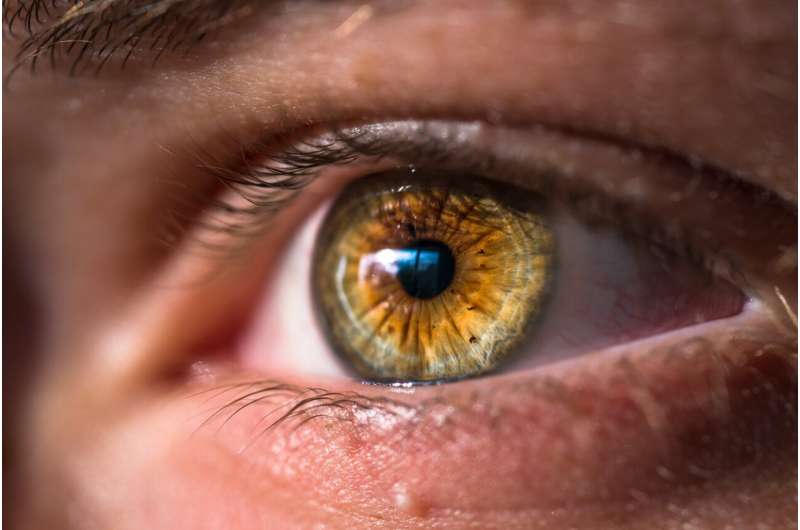
As the effects of climate change become more pronounced, the impact on human health continues to grow in complexity. While the direct health impacts of climate change on the respiratory system, cardiovascular health, and the environment are well-documented, the connection between climate change and eye maladies is an emerging area of concern. Rising temperatures, extreme weather events, air pollution, and shifting ecosystems have all been identified as contributors to an increase in various eye-related health conditions.
But how does climate change affect our eyes? What are the specific eye problems that can arise from environmental changes? And what can be done to protect eye health as these changes unfold? we’ll explore the links between climate change and eye conditions, highlighting key risks and offering guidance on how to protect vision in a changing world.
1. How Climate Change Impacts Eye Health
Climate change introduces a variety of factors that can negatively affect eye health. These factors range from increased exposure to harmful environmental elements to the exacerbation of pre-existing conditions. The following sections break down the primary ways in which climate change is linked to eye maladies.
1.1 Increased Air Pollution and Its Effect on the Eyes
One of the most direct and well-established links between climate change and eye health is air pollution. As the concentration of greenhouse gases rises and industrial activities increase, the level of pollutants such as ozone, particulate matter (PM2.5), and nitrogen dioxide in the air also escalates. These pollutants are harmful to the eyes and can lead to:
- Dry eyes: Air pollution dries out the mucous membranes that keep the eyes moist, resulting in irritation, redness, and discomfort. The chemicals in polluted air can also damage the tear glands, leading to long-term dryness.
- Conjunctivitis (pink eye): Exposure to particulate matter can increase the likelihood of eye infections, such as conjunctivitis, causing symptoms like redness, swelling, and discharge.
- Corneal damage: Long-term exposure to pollutants can also damage the cornea, increasing the risk of conditions such as keratoconus, a condition where the cornea thins and bulges outward, causing distorted vision.
1.2 Stronger UV Radiation and Eye Damage
As the ozone layer continues to deplete due to human activities, the Earth is exposed to higher levels of ultraviolet (UV) radiation. This is particularly concerning for eye health, as prolonged exposure to UV rays can cause:
- Cataracts: One of the most significant threats from increased UV radiation is the development of cataracts, a clouding of the lens in the eye that causes blurry vision and can lead to blindness if left untreated.
- Macular degeneration: Chronic UV exposure has been linked to an increased risk of age-related macular degeneration (AMD), a leading cause of vision loss, especially in older adults.
- Photokeratitis: Intense UV exposure can cause damage to the cornea, leading to symptoms similar to sunburn on the skin, such as pain, redness, and temporary vision loss.
1.3 Extreme Weather Events and Eye Injuries
With more frequent extreme weather events, such as hurricanes, floods, and heatwaves, there is an increased risk of physical eye injuries. These events can cause:
- Trauma from flying debris: Hurricanes and tornadoes often lead to high winds that blow debris, which can directly injure the eyes. Flying objects or shattered glass can result in corneal abrasions, foreign body injuries, and blunt force trauma.
- Flood-related infections: Flooding, in particular, increases the risk of exposure to bacteria and fungi in contaminated water, leading to infections like bacterial keratitis, an infection of the cornea that can cause severe pain, vision loss, and long-term damage if untreated.
- Heat and smoke exposure: Wildfires, which have become more frequent due to climate change, release smoke that is harmful to both the lungs and eyes. The smoke can irritate the eyes, causing dryness, redness, and sensitivity to light.
1.4 Allergens and Eye Allergies
Warmer temperatures and changes in weather patterns have led to longer pollen seasons, which can increase the severity and duration of eye allergies. Pollen, dust, and other airborne allergens are more abundant during periods of extended warmth, leading to conditions such as:
- Allergic conjunctivitis: This condition occurs when the immune system overreacts to allergens like pollen, leading to symptoms such as itchy, watery, red eyes, and swelling of the conjunctiva (the clear membrane that covers the eye).
- Increased risk of eye inflammation: Allergens like dust, mold, and pet dander can also increase the risk of eye inflammation and dry eye syndrome. People with existing sensitivities may experience aggravated symptoms due to the higher concentration of environmental triggers.
2. Specific Eye Conditions Linked to Climate Change
The climate crisis doesn’t just introduce new environmental threats—it also exacerbates existing health conditions. Individuals with pre-existing eye problems or those at higher risk may face more severe consequences as climate change continues to unfold. Some of the most significant eye conditions linked to climate change include:
2.1 Dry Eye Syndrome (DES)
Dry Eye Syndrome (DES) is one of the most common eye conditions globally, characterized by insufficient tear production, leading to dryness, irritation, and inflammation. Climate change, particularly through increased air pollution and rising temperatures, accelerates this condition:
- Pollution and particulate matter contribute to air dryness, which evaporates the tear film and leaves eyes unprotected.
- Heat waves and indoor air conditioning also lead to drier environments that exacerbate dry eye symptoms.
2.2 Cataracts
Cataracts, the clouding of the eye’s natural lens, are a leading cause of blindness worldwide, and climate change may accelerate their progression. The increased exposure to UV radiation due to the thinning ozone layer is a major risk factor for developing cataracts. Higher UV exposure not only raises the incidence of cataracts but may also result in earlier onset for people already at risk.
2.3 Age-Related Macular Degeneration (AMD)
AMD is another vision-threatening condition that can be exacerbated by increased UV radiation. The retina, which is responsible for sharp central vision, is highly sensitive to UV damage. With climate change contributing to higher UV exposure, the risk of early onset of AMD is growing, particularly in populations over the age of 50.
3. How to Protect Your Eyes in the Face of Climate Change
With the increased risks of eye conditions linked to climate change, it is essential to take proactive steps to protect your vision. Here are some tips to safeguard eye health in an environment impacted by climate change:
3.1 Wear Sunglasses with UV Protection
To protect your eyes from the harmful effects of UV radiation, always wear sunglasses that offer 100% UV protection. Look for glasses that block both UVA and UVB rays to reduce the risk of cataracts and macular degeneration.
3.2 Stay Hydrated and Use Artificial Tears
Dry eyes can be worsened by both air pollution and environmental factors like heatwaves. To combat dryness, stay hydrated and consider using artificial tears or lubricating eye drops to keep the eyes moist. For people with chronic dry eye syndrome, it may be worth discussing treatment options with an eye care professional.
3.3 Monitor Air Quality and Avoid Polluted Areas
Air pollution is a growing concern for eye health. Use air quality monitoring apps or websites to stay informed about pollution levels in your area. If pollution levels are high, try to limit outdoor activities, particularly during peak hours of pollution. Consider wearing protective eyewear or goggles if you need to be outside in polluted environments.
3.4 Use Protective Gear During Extreme Weather Events
If you’re living in an area prone to extreme weather, take the necessary precautions to protect your eyes from flying debris and potential injuries. Wearing safety glasses or goggles during storms, wildfires, or while cleaning up debris can minimize the risk of eye trauma.
3.5 Manage Allergies Proactively
With the rise of pollen seasons, it’s important to manage allergic reactions that affect the eyes. Regularly clean your home to reduce dust, use air purifiers, and stay indoors during peak pollen periods. Over-the-counter antihistamines and eye drops can help reduce allergy symptoms, including itchy and watery eyes.
Conclusion: Protecting Eye Health in a Changing Climate
Climate change has far-reaching effects on human health, including our vision. As we experience more intense weather events, increased pollution, and heightened UV radiation, the risks of developing eye-related conditions grow. By understanding the connection between climate change and eye maladies, we can take proactive steps to protect our vision.
.