

Do you know Women as Intimate Partner Violence Perpetrators in 2024
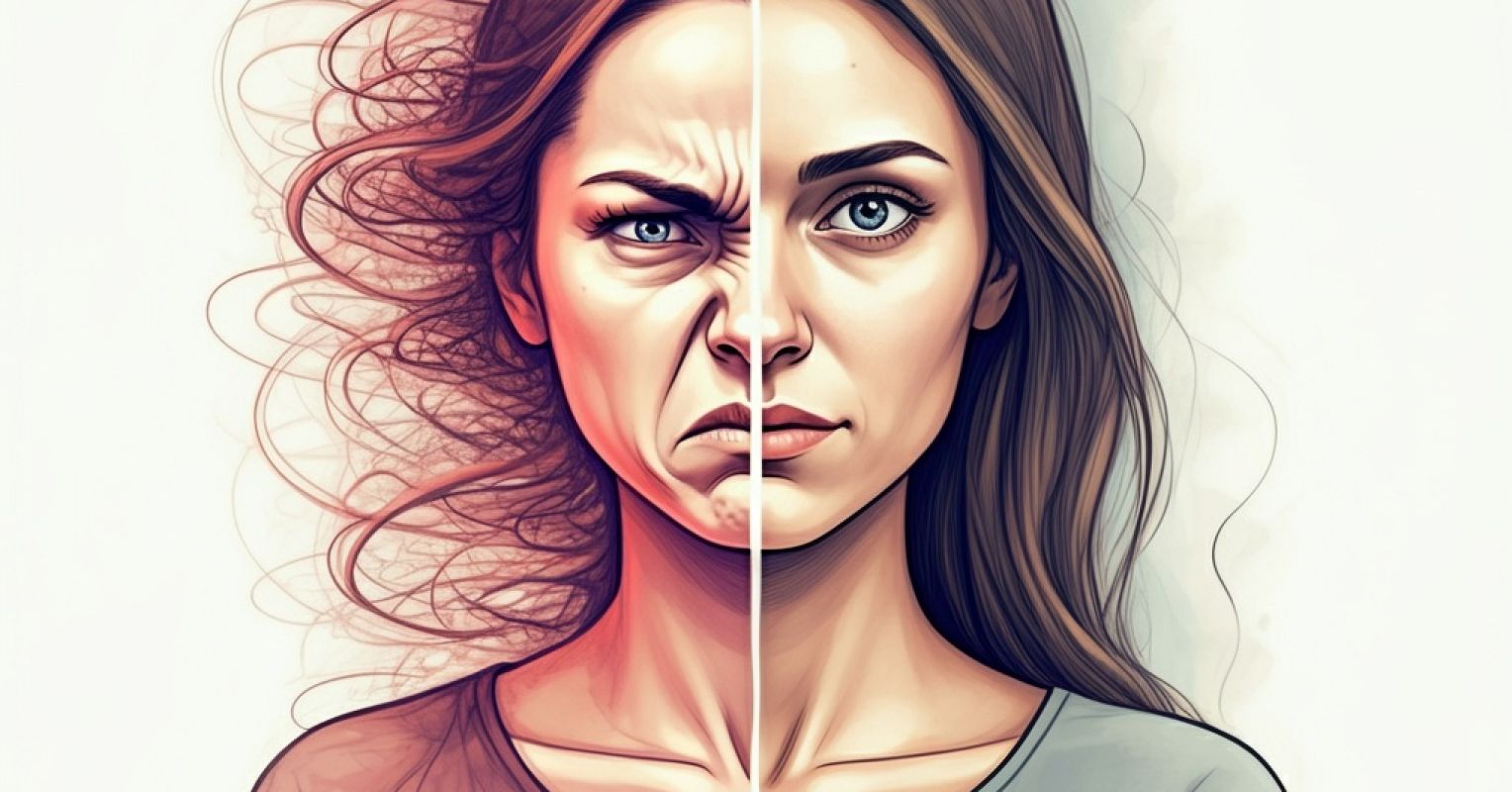
There are some couples whose attraction seems to be made in hell. They are bound inextricably through unconscious and perverse forces and together engage in abusive practices, both against one another and themselves. While it is undeniable that male violence against women is a major public health issue, it is important to consider how and when females are the perpetrators of significant harm, including violence, towards male partners. Generally, the male is seen as the perpetrator of violence, and the female as victim. This reflects a societal reluctance to see men as victims, but rather as aggressors. This can also influence the degree to which male victims experience their abuse, if they perceive and identify themselves as victims at all, and whether they report this abuse (Taylor et al., 2022.)
The statistics relating to intimate partner violence tell a different story, one that must be read, despite the discomfort and disbelief it provokes. Over two hundred studies found that men and women perpetrate intimate partner violence at roughly equivalent rates, depending on where the samples are drawn from, and what level of violence is identified. (Dutton and Nicholls, 2005). Discrepancies between the prevalence rates reported largely depend on whether situational violence, of a lower level of severity is being reported—aggression between partners in arguments that become physical, or whether refuge samples are used to determine prevalence rates.
In the latter case, there is a minority of women as perpetrators, compared to males, and that indicates that men are perpetrators of serious violence that drives women and children to leave them and seek refuge in a shelter. However, this is also complicated by the fact that some refuges will not accept a male victim as a resident out of fear that they will harm others in the house.
The discrepancy in prevalence rates is clarified by considering the sampling that is being used. The definition that is provided of IPV (Intimate Partner Violence) also shapes the nature of the statistics, which are, after all, not neutral and objective, but dependent on sampling techniques, reporting, and definitions. Johnson (2008) helpfully describes three different types of intimate partner violence,
Intimate Terrorism: Patterns of violent coercive control, perpetrated predominantly by men.
Violent Resistance: Perpetrated while resisting violence, perpetrated more by women in self-defence.
Situation Couple Violence: Escalates from argument to physical aggression, occurs between couples.
Viewing domestic violence as simply an expression of the male wish for power and control is both reductive and inaccurate. In my clinical practice, I have worked with women, as well as men, who have been both victims and perpetrators of IPV. Therapeutic engagement with women who have been considered dangerous to their partners and children is sometimes difficult to establish but invaluable in enabling change, as the following brief description of working with a female perpetrator of IPV illustrates.
When I met her, Paula was 42 years old, referred for psychotherapy because of her long history of violence against others, including her partner, her children, and various mental health professionals whom she had stalked and threatened. She had a diagnosis of antisocial and borderline personality disorder and been hospitalised on numerous occasions. These admissions had resulted only in further deterioration in her mental health and were characterised by her assaults on staff and frequent “restraints,” which she appeared both to invite and resist. She had been rejected for outpatient treatment by mainstream mental health services because of her violence and was subsequently referred to the forensic psychotherapy and psychology service.
At assessment, Paula was withdrawn and flat, presenting as emotionally shut down but with sudden flashes of liveliness that took me by surprise. She conveyed a powerful sense of discomfort and suppressed violence, so I needed to tread gently. Early on, she told me about her struggle with feeling she was female. as she tended to regard herself as masculine. She felt she did not possess femininity, as she associated this with vulnerability, softness, and helplessness. She commented that she felt that I was “comfortable” with my femininity and told me she would never be able to wear a skirt or high-heeled boots, as I was. At this moment, I felt suddenly exposed and judged in a harsh fashion, and I felt that there was an implicit accusation in her comment. I felt that her sudden and sharp comment was unconsciously designed to throw me off balance, and to raise a question about my version of ‘femininity.’ This gave me an important insight into her distrust of me, and how quickly her mood and perceptions changed. Despite her suspicions, she felt able to tell me about her early life and her past and present difficulties. Paula felt she was out of control and was driving her family away with her volatile moods and angry outbursts.
At the end of the assessment, we agreed to work together over 18 months in weekly psychotherapy. Her violence was not a threat to the general public, but, as is typical of female violence, was targeted towards herself in savage acts of self-harm, her partner, her children, and towards those in a “caring” position in relation to her, like the psychiatrists she had threatened and the nurses on the wards. Paula disclosed both her own sexual and physical victimisation and described how she had learned to use violence to maintain control over members of her family in an attempt to ensure they didn’t leave her. She gradually reduced her reliance on self-harming. Through reliable, robust, and, at times, challenging, forensic psychotherapeutic work, she was finally able to disclose her underlying fears and ultimately relinquished her defences against abandonment, rejection, and loneliness.
I will never forget Paula, who taught me so much about how violence can be an expression of early trauma and a defence against deep fears of abandonment.
#Women #Intimate #Partner #Violence #Perpetrators
Feel free to check related posts