

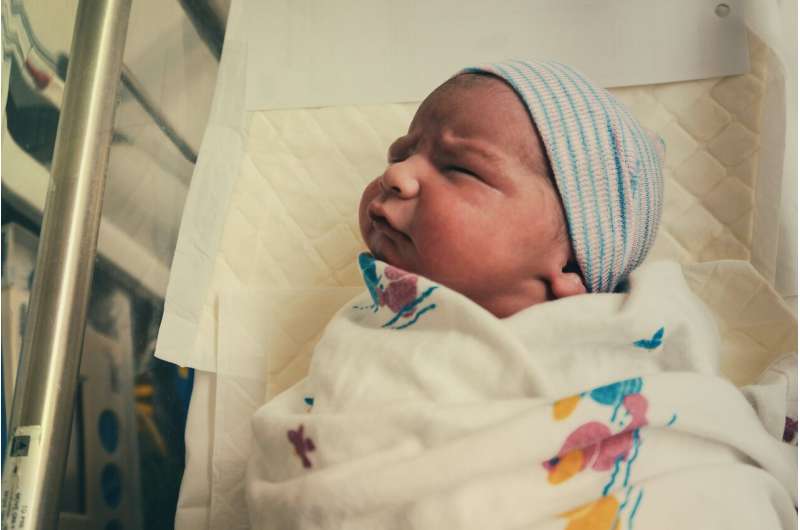
On Dec. 5, a federal vaccine advisory panel voted to change the long-standing recommendation that all newborns receive a dose of the hepatitis B vaccine.
The federal Advisory Committee on Immunization Practices—also known as ACIP and the same panel that met this week—first began recommending universal birth doses of the Hep B vaccine in 1991.
The panel, which U.S. Health Secretary Robert F. Kennedy Jr. entirely reconfigured this year, walked back that recommendation on Friday. Public health experts expressed alarm in the days leading up to the vote, warning that hepatitis B rates could skyrocket if birth doses are no longer given, opening up many more children to the risk of infection and life-long health complications.
Since birth doses of the vaccine were implemented in the U.S., according to a 2019 review, hepatitis B cases among children and teens dropped by 99%.
Here’s all the background info you need to know about hepatitis B vaccines, and why they’re typically given at birth.
What is hepatitis B, and how does it spread?
Hepatitis B is a virus that causes liver infection. The acute form can be treated, but chronic hepatitis B is incurable and can cause long-term damage such as cirrhosis and liver failure.
The virus is transmitted via bodily fluids, which means it can be transmitted sexually or through the sharing of needles. However, those are not the only two ways that hepatitis B is spread.
Mothers who have hepatitis B can transmit the virus to their babies during delivery, which is why hepatitis B tests are standard for pregnant patients. Babies and children can also catch the virus through saliva or minor cuts, from a household member, caregiver or other close contact who has the virus.
The U.S. Centers for Disease Control and Prevention posted preparation materials for ACIP, which said that about 90% of infants who contract hepatitis B will develop the chronic illness. A quarter of people infected with the virus during childhood, the materials said, will die prematurely from complications of the illness.
Why would a newborn baby need a hepatitis B vaccine?
For decades, it’s been standard practice in the U.S. to administer a hepatitis B vaccine to newborns. The dose is typically given within 24 hours of birth.
The vaccine protects babies whose mothers carry the virus; Even though those babies are exposed during birth and vaccinated shortly after, the vaccine is still effective.
Additionally, birth doses protect babies from exposure to household members, caregivers or other close contacts who may pass the virus through saliva or minor cuts.
Newborns, with their undeveloped immune systems, are especially susceptible to viruses. Vaccinations help protect them during that vulnerable time, shielding them not only from the virus itself but also from the lifelong complications of chronic hepatitis B.
Dr. Phil Huang, Dallas County’s public health director, spoke at a media briefing organized by the Big Cities Health Coalition earlier this week.
“The birth dose is really the single most effective tool that we have to prevent lifelong, chronic hep B infection,” he said.
What about babies whose mothers have tested negative for hepatitis B?
The birth dose of hepatitis B has been recommended for all babies, even those whose mothers have tested negative, for more than 30 years.
There are a couple of reasons for that. First, the hepatitis B test can return false negatives, meaning that a mother may receive a negative result even if she does have the virus. Most people’s results will be accurate, but a birth dose of the hepatitis B vaccine will protect those babies whose mothers had false negatives.
Plus, even for babies whose mothers do not have hepatitis B, they can be exposed to the virus after birth as well. The birth dose will protect them against those future exposures via other household members or caregivers.
What happens if parents wait for the first dose of the hep B vaccine?
If parents decide not to give their newborn a birth dose of the hepatitis B vaccine, their child can still receive the vaccine later and will be protected after vaccination.
The risk of delaying the first dose is that a child may be exposed to the virus while unprotected. If a baby does catch hepatitis B, the virus can cause lifelong health complications, including liver cirrhosis and liver failure.
Plus, when opportunities for medical care are missed, patients are less likely to follow up later, said Dr. Simbo Ige, the public health commissioner in Chicago, at the Big Cities Health Coalition media briefing.
“Prevention at birth is most important,” she said. “Why would we deprive a child of that protection?”
Do other countries give birth doses of the hepatitis B vaccine?
There are other countries that recommend universal birth doses of the hepatitis B vaccine. The World Health Organization recommends that all babies receive a vaccine dose within 24 hours of birth.
According to data from the WHO, countries such as Australia, Israel, Mexico, Portugal, Singapore and many others include a universal birth dose of the hepatitis B vaccine in their national immunization programs. Many other countries include a birth dose of the vaccine to specific groups.
2025 The Dallas Morning News. Distributed by Tribune Content Agency, LLC.
The content is provided for information purposes only.