

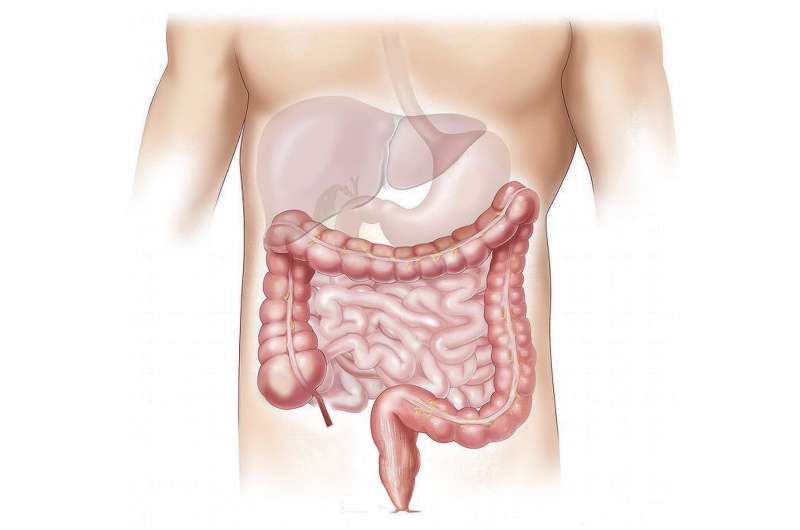
Colon cancer screening myths and facts.
Colorectal cancer is rare
Myth: Colorectal cancer is the second-leading cause of cancer-related death in men and women combined. Roughly one in 26 women will have colorectal cancer, and about one in 24 men will have colorectal cancer.
Colorectal cancer can happen when you’re young
Fact: The rate of colorectal cancer is increasing in people under 50. Rates of colorectal cancer in people under 50 have doubled since 1990. In people over 65, the diagnosis rates have been decreasing, most likely because of colorectal cancer screening.
Many younger adults don’t consider themselves at risk. That’s why it’s especially important to know the warning signs of colorectal cancer and not put off getting medical attention. Early diagnosis is essential to surviving colorectal cancer. If this cancer is found when it’s only in the colon or rectum, the five-year survival rate is over 90%. That survival rate drops to roughly 15% if the cancer spreads beyond the colon and rectum.
Screening for colorectal cancer starts at age 45
Fact: In 2021, the recommendation for colorectal cancer was updated to begin screening at age 45. This is because the rate of diagnosis is increasing at younger ages.
Colorectal cancer can be prevented with screening
Fact: The goal of colorectal cancer screening is to prevent cancer, not just find it when it has already developed. Most colorectal cancer develops from a polyp, a small, precancerous growth. The presence of polyps can easily be identified using colonoscopy screening tests. Polyps can be removed during a colonoscopy to prevent them from developing into cancer.
The colon can be helped to stay healthy by:
- Add bulk to your diet with lots of veggies and whole grains.
- Eat healthy fats found in olive oil, salmon, avocados and nuts.
- Strive for 30 minutes of exercise most days of the week.
- Watch your weight. Carrying extra pounds has been shown to increase your risk for colon cancer.
- Drink alcohol in moderation, and don’t smoke.
Family history is the only risk factor for colorectal cancer
Myth: While a family history of colorectal cancer influences your risk of developing cancer, other important risk factors increase the risk of developing colorectal cancer. Medical conditions including obesity and inflammatory bowel disease (IBD), and lifestyle choices, such as a diet high in red meats, smoking and alcohol use, increase risk. Because colorectal cancer is common, all adults over 45 should be screened regardless of family history.
African Americans have a higher risk of developing colorectal cancer, and American Indian/Alaska Native people have the highest risk of colorectal cancer.
A positive stool-based screening for colorectal cancer is the same as a cancer diagnosis
Myth: A stool-based test looks for more than cancer, and it can identify precancerous lesions or polyps. These tests don’t address the polyp if a polyp is present in the colon. A follow-up colonoscopy is needed to identify the polyp and potentially remove it.
2025 Tribune Content Agency, LLC.
Citation:
What to know about colon cancer ( 26)
29
colon-cancer.html
The content is provided for information purposes only.