
- Deficit was already £1.6bn after the first six months of the financial year
- Expensive agency staff were blamed so Government introduced pay cap
- But some trusts have complained it has led to staffing difficulties
- Experts warn efficiencies can not be made at same rate as funds being cut
Kate Pickles For Mailonline
3
View
comments
The NHS is expected to record its worst financial performance in a single year, with a deficit set to exceed £2 billion.
Figures published today for 2015/16 are set to show a slight improvement on the worst case scenario deficit – but it will still be the poorest on record.
High spending on expensive agency staff and the rising demand from patients have been blamed for trusts in England falling into the red.
In February, a report containing the first nine months’ worth of figures said the NHS was on track for a £2.8 billion deficit across the year.
It said if savings could be made in the final three months of the financial year, the figure may fall to around £2.4 billion.
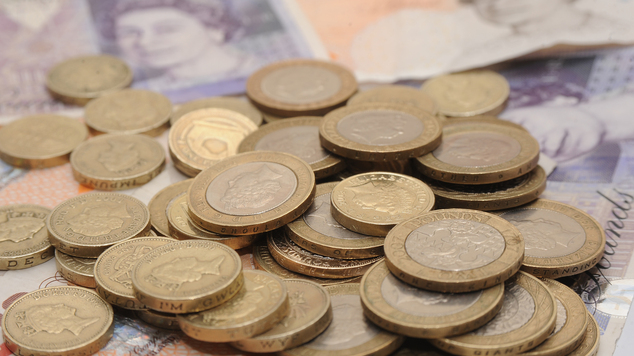
Figures are expected to reveal a massive NHS deficit after recording a deficit of £1.6bn in the first six months
Data published just before Christmas showed NHS trusts had racked up a deficit of £1.6 billion in just the first six months and 156 out of 239 NHS trusts expected to end the year in deficit.
In the entire previous year, the NHS overspend stood at a comparatively small £820 million.
High spending on expensive agency staff has been blamed for having a serious detrimental effect on the financial position of NHS trusts.
The Government has capped agency spending, with new hourly price caps limiting the amount of money various types of agency staff working in the NHS can earn.
-
 Breast cancer drug found to DOUBLE the destruction of…
 Junior doctors could REJECT pay deal after some complain it…
 HALF of all cancer deaths could be avoided if we simply…
 Immune cells in the brain thought to trigger dementia…
Controls on spending on expensive management consultants also came into force over the summer and were expected to have had an impact by the end of the financial year.
But some trusts have argued they are struggling to fill rota gaps and are finding it difficult to keep within the agency cap.
Over the last five months, NHS trusts have come under increased pressure to change the way they present their deficits in their accounts in a bid to balance the books.
The Department of Health is keen to keep the deficit as low as possible to keep within – or close to – spending limits set by the Treasury.
The Nuffield Trust said trusts had made ‘accountancy adjustments’ to bring the deficits down, including reclassifying capital budgets as revenue, claiming for five quarters (15 months) worth of VAT rebates and reviewing accounting policies.
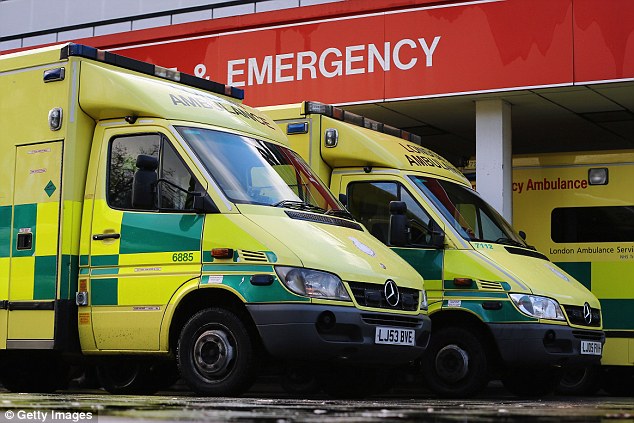
In the entire previous year, the NHS overspend stood at a comparatively small £820 million
Its senior policy analyst, Sally Gainsbury, said of the expected data: ‘These figures are expected to show NHS trust performance improving from the start of the year, when they ran up a deficit of nearly £1 billion in just three months.
‘However, this is the result of accountancy adjustments which have not changed the underlying £3.5 billion gap between the costs of providing hospital and community health services and the funds those services receive.’
She said the targets for efficiency savings demanded by the Government looked further away than ever.
She added: ‘NHS trusts have made cost efficiencies, but not as fast as their funds have been cut.
‘In order to eliminate the underlying deficit by the end of next financial year, providers will need to make year on year cost cuts of four per cent: twice the rate of at which Lord Carter’s recent report on hospital efficiency found was possible, and higher than any year in the last decade.’
The influential King’s Fund think-tank has previously said many trusts would not be able to deliver the cuts needed to get the overall deficit down to £1.8 billion by the end of March.
It said a shortfall will come out of the 2016/17 budget, eating into the extra funding provided in the Government’s spending review.
Share or comment on this article
-
 Canadian Prime Minister Trudeau elbows female legislator
-
 Gas station worker bashes man’s truck for taking too long at…
-
 Trump refers to Bill Clinton’s alleged indiscretions as…
-
 We HATE bath time! Adorable huskies whine in the bath tub
-
 Hilarious moment dad freaks out son with Tesla’s autopilot
-
 Security analyst: ‘Bomb could have been loaded on flight in…
-
 Tumbling artist goes to new heights w/ impressive gymnastics
-
 ‘I got the moves like Jagger’: Kid can’t help dancing in…
-
 Moment Paul McCartney lets little girl play bass with him on…
-
 Shocking moment reporter is HIT by protester in Paris
-
 Zoo keeper dies after 236-stone walrus drags him underwater
-
 Sickening footage shows polar bear brutally shot in the head
-
 Mystery of Flight MS804: EgyptAir now say NO wreckage has…
-
 The trolls who take sneak photos of you through your TV and…
-
 Hillary Clinton declines to defend Bill’s ‘honor’ after…
-
 ISIS execute 25 people by DISSOLVING them in nitric acid:…
-
 ‘So grateful I have men to advise me on gender attacks’:…
-
 French intelligence warned the country was ‘clearly being…
-
 13-minute video of Hillary Clinton ‘lying’ over and over…
-
 Meet the ‘Belfie Queens’ earning over £20,000 a month from…
-
 Bill Clinton ‘rape’ victim Juanita Broaddrick tells of…
-
 Why Kate Winslet is hellbent on keeping her VERY bohemian…
-
 No electricity, no antibiotics, no beds, no soap: A…
-
 Morley Safer dies aged 84 just one week after he retired…


Comments (3)
Share what you think
-
Newest -
Oldest -
Best rated -
Worst rated
The comments below have not been moderated.
The views expressed in the contents above are those of our users and do not necessarily reflect the views of MailOnline.
Find out now