

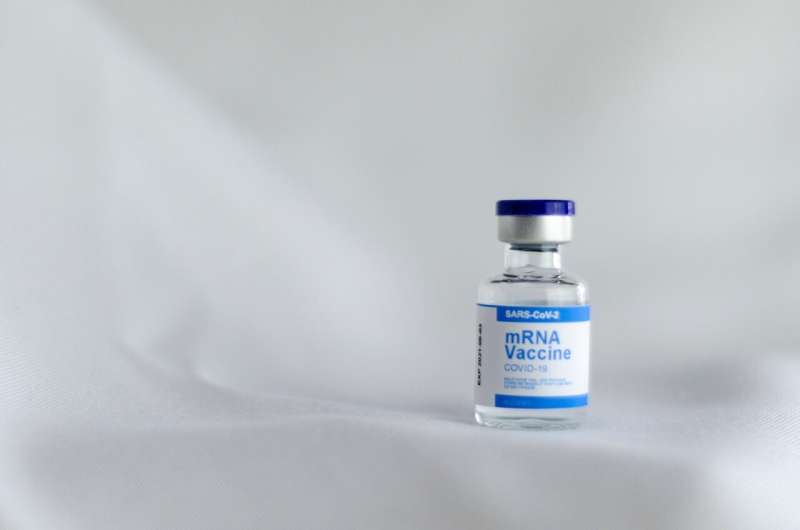
The mRNA COVID-19 vaccine is not associated with autism or other neurodevelopmental problems in children whose mothers received the vaccine immediately before or during pregnancy, according to new research presented today at the Society for Maternal-Fetal Medicine (SMFM) 2026 Pregnancy Meeting.
There are two types of COVID-19 vaccines recommended for use in the U.S.: the messenger ribonucleic acid (mRNA) vaccine and a protein subunit vaccine. Both types of COVID-19 vaccine are recommended and safe to receive during any stage of pregnancy to protect both maternal and infant health.
Researchers from the Maternal-Fetal Medicine Units Network studied 434 children between the ages of 18 months and 30 months for signs of autism or other neurodevelopmental problems. In this multicenter prospective observational study conducted between May 2024 and March 2025, half of the children (217) were born to mothers who had received at least one dose of the mRNA vaccine during or within 30 days prior to pregnancy; the other half were born to mothers who had not received mRNA vaccination during or within 30 days prior to pregnancy.
“Neurodevelopment outcomes in children born to mothers who received the COVID-19 vaccine during or shortly before pregnancy did not differ from those born to mothers who did not receive the vaccine,” said senior researcher George R. Saade, MD, Professor and Chair of Obstetrics and Gynecology, and Associate Dean for Women’s Health, at Macon & Joan Brock Virginia Health Sciences at Old Dominion University in Norfolk, VA.
Mothers who received the mRNA COVID-19 vaccine were matched with mothers who did not receive the vaccine based on the delivery site where they gave birth (hospital, birth center, etc.), delivery date, insurance status, and race. Participants were excluded from both study groups if they delivered preterm under 37 weeks, if they had a multifetal pregnancy, or had a child born with a major congenital malformation.
Children born to both groups were tested for neurodevelopmental problems at age 1.5–2.5 years, using the Ages and Stages Questionnaire Version 3, which assesses and tracks child development in five main areas: communication, gross motor skills, fine motor skills, problem-solving, and personal-social interaction. Additionally, the researchers compared the children’s assessment scores from the Child Behavior Checklist, Modified Checklist for Autism in Toddlers, and the Early Childhood Behavior Questionnaire.
“This study, conducted through a rigorous scientific process in an NIH clinical trials network, demonstrates reassuring findings regarding the long-term health of children whose mothers received a COVID-19 vaccination during pregnancy,” said Brenna L. Hughes, MD, MSc, Edwin Crowell Hamblen Distinguished Professor of Reproductive Biology and Family Planning and Interim Chair of the Department of Obstetrics and Gynecology at Duke University in Raleigh, NC.
The abstract, “Association between SARS-CoV-2 vaccine in pregnancy and child neurodevelopment at 18–30 months,” will be published in the February 2026 issue of Pregnancy.
More information
Association between SARS-CoV-2 vaccine in pregnancy and child neurodevelopment at 18–30 months, Pregnancy (2026).
Key medical concepts
The content is provided for information purposes only.