

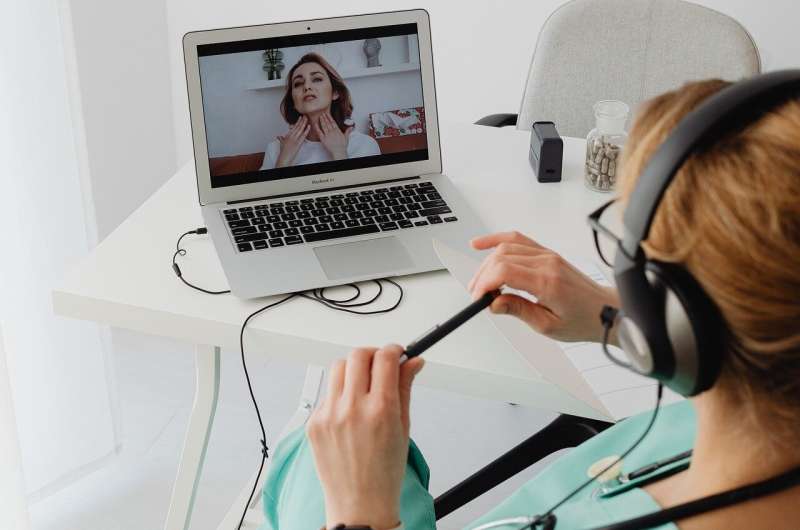
A UK-wide trial, managed by Warwick Medical School, finds that online rehabilitation at home can meaningfully improve quality of life for some intensive care survivors. The iRehab Trial tested an online rehabilitation program for people recovering at home after being on a ventilator in intensive care. The trial was conducted across 52 NHS hospitals and managed by Warwick Clinical Trials Unit, with leadership from Ulster University and Queen’s University Belfast.
Overall, the program did not show a significant benefit in quality of life at the eight-week follow-up. However, patients who had been ventilated for less than a week saw substantially greater improvements in quality of life than those ventilated for longer, suggesting that online home-based rehabilitation can be worthwhile for people following shorter periods of ventilation.
The results were presented at the American Thoracic Society (ATS) International Conference in Orlando and published in JAMA.
Professor Brenda O’Neill, Chief Investigator of the iRehab Trial, said, “The iRehab program helped many people to recover after they went home from the intensive care unit. Rehabilitation for survivors of critical illness is underfunded, but findings from the iRehab trial demonstrate that fully remote processes in health care research and delivery are feasible from the consent stage through to intervention delivery.”
People treated in intensive care often need significant support during recovery. After being discharged home, many experience muscle weakness, fatigue, breathlessness, memory problems, and poor emotional well-being, making everyday tasks a real challenge. The iRehab program addressed this with a six-week remote rehabilitation intervention, combining weekly symptom management, targeted exercise, psychological support, and peer information. The findings suggest that this kind of scalable, home-based rehabilitation may help certain patients recover better following serious illness requiring ventilation in intensive care.
Professor Anthony Gordon, Director of NIHR’s Health Technology Assessment (HTA) Program, said, “Recovery from a critical illness can be a challenging and lengthy process for patients and their loved ones. This research demonstrates how using remote technology and moving from analog to digital solutions, which is a key government priority, can make a difference to their rehabilitation and quality of life.
“The benefits the study team has identified are important. Not only can patient care be safely and effectively managed online, it also allows them to continue their recovery in familiar and comfortable surroundings. It ensures any disruption to their day-to-day lives is kept to a minimum, while at the same time, it eases pressure on vital health care resources. Ensuring the right patients receive treatments that work also helps the NHS deliver care efficiently.”
Professor Danny McAuley (Consultant in Intensive Care Medicine), Co-Chief Investigator on the iRehab Trial, said, “We now need to deliver this package of care for the patients who will benefit, while at the same time continuing to try to find better personalized treatments to improve the outcomes for patients where this intervention may not work as well. It’s not just clinicians that need to be considered; we really need to engage with policy makers to deliver care to improve the outcomes for patients who survive critical illness.”
Publication details
Brenda O’Neill et al, Remote Multicomponent Rehabilitation in Intensive Care Unit Survivors, JAMA (2026). DOI: 10.1001/jama.2026.7401
Journal information:
Journal of the American Medical Association
Key medical concepts
Clinical categories
The content is provided for information purposes only.