

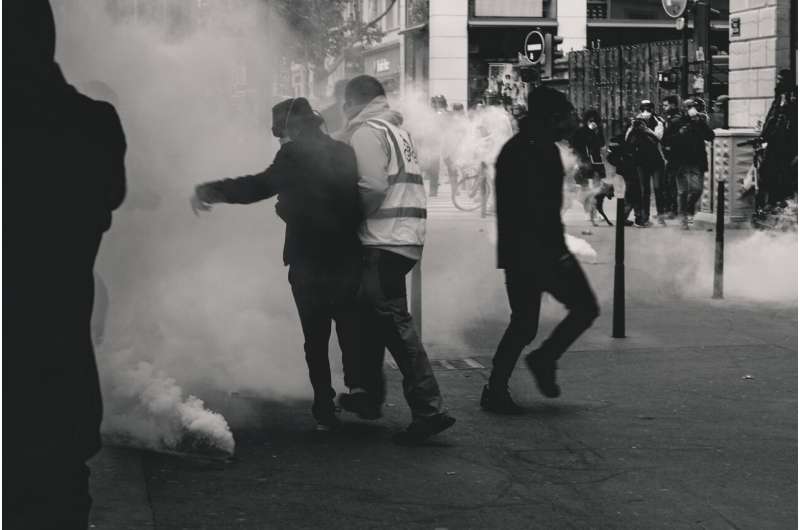
According to research published in journals from the American Thoracic Society (ATS), inhaling tear gas or pepper spray—even during a single incident—can harm respiratory function and increase the risk of lung complications for the general public, particularly those with serious lung diseases.
In 2020, the American Thoracic Society called for a moratorium on the use of tear gas use.
Key concerns: Increased risk after one exposure
Tear gas agents can trigger coughing, airway inflammation, reduced lung function, and even lung collapse—not just transient discomfort. If a patient has a food allergy and anaphylaxis to banana peppers, then pepper spray poses a risk of anaphylactic shock and death.
Even minimal tear gas exposure can weaken respiratory defenses, making individuals more susceptible to bronchitis or pneumonia, conditions often caused by viral infections.
Anthony M. Szema, MD, ATSF, chair of the Section on Terrorism and Inhalation Disasters at the American Thoracic Society, also urges:
- Treat tear gas and pepper spray as respiratory hazards.
- Mandate health screenings for anyone exposed.
- Advocate for research on long-term lung effects.
Tips if you’ve been exposed to tear gas or pepper spray:
- Seek fresh air in open, well-ventilated areas away from the source.
- Stay calm and walk away rather than breathing hard while running away.
- Avoid rubbing eyes.
- Remove contaminated clothing.
- Seek medical help.
Key medical concepts
Clinical categories
Provided by
American Thoracic Society
The content is provided for information purposes only.