

Do you know Now That the Election Is Over, What Comes Next Emotionally? in 2024
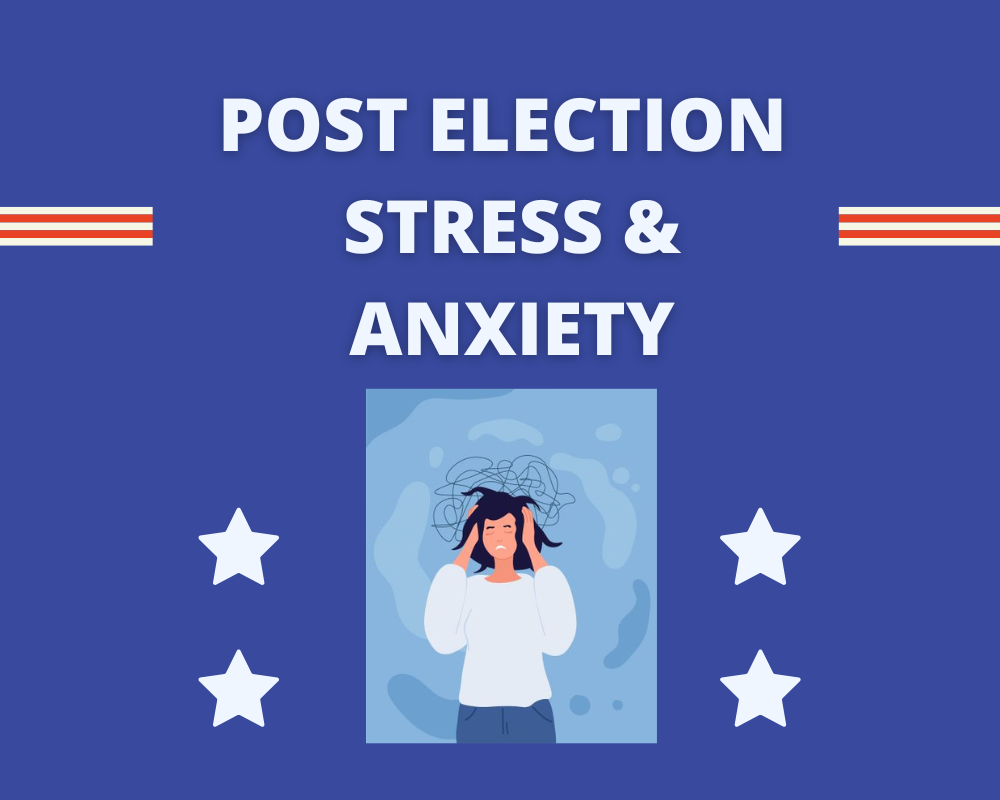
Election seasons are emotionally charged, stirring up a range of feelings across the political spectrum. For many, the days and weeks following an election result can be just as intense, if not more so, than the election itself. Whether your candidate won or lost, the aftermath often brings feelings of relief, disappointment, anxiety, or hope. Understanding and processing these emotions is critical, especially as we move forward and begin to rebuild our emotional and social landscapes post-election. This article explores what comes next emotionally after an election and how we can cope with the aftermath, regardless of the outcome.
1. Why Are We So Emotionally Invested in Elections?
Elections, particularly in deeply divided societies, are about more than just choosing political leaders—they represent the values, hopes, and visions for the future of a nation. The stakes feel personal, which is why the results often trigger such intense emotional responses.
The Role of Identity in Elections:
- Political Identity: Research in political psychology reveals that our political beliefs are often tied to our personal identity and worldview. This means that an election loss can feel like a personal rejection or a threat to our values, while a win may reinforce our sense of identity and belonging.
- Group Loyalty and Social Influence: Social groups, whether defined by party affiliation, ideology, or even geographic location, often influence our emotional investment in the outcome of elections. A study by Yale University found that political affiliation can serve as a powerful in-group marker, creating strong emotional bonds and deep reactions to electoral outcomes.
Example:
- During the 2016 U.S. presidential election, both the winning and losing sides expressed profound emotional reactions—protests erupted in some cities, while celebrations occurred in others. This intensity demonstrated how elections tap into deep emotional and psychological needs for belonging, control, and validation.
2. What Emotional Responses Can We Expect After an Election?
The days following an election often bring a wide spectrum of emotional reactions. These responses can differ depending on the outcome, the perceived fairness of the process, and individual personality traits.
Common Emotional Responses Post-Election:
- Relief or Elation: If your candidate or preferred party wins, there’s often a sense of triumph and relief. The anxiety leading up to the election is replaced with feelings of validation, hope, and optimism about the future.
- Disappointment or Grief: If your side loses, feelings of disappointment, frustration, or even grief can take hold. The election results may feel like a loss of control, and for some, it might take time to reconcile with the outcome.
- Anger or Frustration: Some individuals experience intense anger, especially if they feel the election was unfair or if the results conflict with their vision of the future. This can lead to protests, divisive rhetoric, or even a sense of betrayal if political allies don’t align with their views.
- Uncertainty and Anxiety: Regardless of the outcome, elections often leave people anxious about the future, particularly if they feel there are unresolved issues or the political climate remains volatile.
Data on Post-Election Emotions:
- A Pew Research Center survey conducted after the 2020 U.S. presidential election found that while most respondents reported a range of emotions, the majority of Biden supporters felt a sense of relief (54%) and hope (38%). On the other hand, many Trump supporters expressed feelings of anger (45%) and concern (38%).
3. How Can We Cope with Post-Election Emotional Turmoil?
The period after an election can be a challenging emotional transition. Regardless of which side you were on, there are several strategies that can help you process your emotions, regain perspective, and move forward constructively.
1. Acknowledge Your Emotions:
The first step in dealing with post-election emotions is to give yourself permission to feel whatever you’re feeling. Suppressing emotions can lead to more intense stress and anxiety later. Take time to reflect and understand your emotions, whether they are of relief, frustration, or sadness.
- Mindfulness: Practicing mindfulness can help you stay present with your emotions without judgment. Techniques like deep breathing, meditation, or journaling can help you process your feelings.
2. Limit Exposure to Toxic News and Social Media:
Constant exposure to election-related media—whether supportive or antagonistic—can amplify emotions and heighten stress. Try taking a break from social media or curating your news sources to focus on balanced and fact-based reporting.
- Digital Detox: A study by The American Psychological Association found that overconsumption of negative news, especially through social media, is linked to increased anxiety, depression, and feelings of helplessness. Unplugging for a few hours a day or limiting screen time can help you regain emotional balance.
3. Focus on the Bigger Picture:
It’s easy to get caught up in the immediate aftermath of an election, especially if emotions are running high. However, focusing on long-term goals, staying connected with your values, and finding ways to make a difference through local activism or community involvement can offer a sense of empowerment and purpose.
- Example: After the 2020 U.S. election, many people, regardless of their political affiliation, found solace in focusing on local activism. Joining community organizations, volunteering, or even just engaging in meaningful conversations with others can foster a sense of purpose and connection, helping mitigate feelings of isolation or defeat.
4. Engage in Self-Care:
Regardless of your emotional state after an election, self-care is essential for emotional recovery. Exercise, hobbies, time spent in nature, and engaging in creative pursuits are proven ways to reduce stress and restore emotional equilibrium.
- Physical Activity: A Harvard Medical School study found that physical activity, such as a brisk walk or yoga, can reduce stress and improve mood by triggering the release of endorphins. Engaging in these activities not only boosts emotional well-being but also helps manage anxiety.
5. Seek Support:
Talking to friends, family, or a mental health professional can help you process your emotions. If you feel isolated or overwhelmed by the outcome of the election, it’s crucial to reach out to those you trust. Sometimes, discussing your feelings with others who have different perspectives can be enlightening and help you move forward with a greater sense of understanding.
- Therapy: If you find that post-election emotions are deeply affecting your daily life, speaking with a therapist can provide valuable tools for coping with stress, anxiety, and grief.
- Link: The National Alliance on Mental Illness (NAMI) offers resources for individuals who are struggling with mental health challenges related to post-election emotions: NAMI Resources.
4. What Role Does Political Polarization Play in Post-Election Emotions?
In today’s politically polarized environment, elections can feel like existential battles. People often feel that the stakes are higher, and the “us vs. them” mentality can lead to intense emotional reactions both during and after the election.
The Impact of Polarization:
- Political polarization exacerbates feelings of anxiety and mistrust. Pew Research Center found that, in the wake of recent elections, many Americans reported feeling less trust in people from different political backgrounds. This distrust can deepen the emotional impact of a contested election, creating emotional rifts between friends, families, and communities.
Coping with Polarization:
- Constructive Dialogue: Try to engage in conversations with people who hold different political views in a respectful manner. Research shows that having open, empathetic conversations can help reduce animosity and foster mutual understanding, even in times of high political tension.
- Bridging Divides: Community efforts to bridge political divides—whether through interfaith dialogues, local town halls, or volunteer initiatives—can help shift the focus from division to common ground. These activities can alleviate feelings of isolation or frustration by reconnecting us to our shared humanity.
5. What Are the Long-Term Emotional Effects of Election Cycles?
The emotional impact of elections doesn’t end when the results are announced. The long-term effects of prolonged political stress, emotional exhaustion, and feelings of uncertainty can extend far beyond Election Day.
Election Fatigue:
- As elections become more frequent and contentious, many people experience “election fatigue”—a form of burnout stemming from prolonged exposure to political discourse, negative ads, and contentious debates. This fatigue can manifest as anxiety, stress, or even apathy toward future elections.
Hope for Change:
- Conversely, a positive election outcome may inspire hope and excitement, but the emotional high often fades quickly. The transition to governance, with its compromises and challenges, can temper initial optimism and leave many disillusioned once the reality of policy implementation sets in.
- Example: After the 2008 U.S. presidential election of Barack Obama, the initial excitement about “change” was tempered by the economic challenges of the following years. Similarly, the hope after the 2016 election was also met with the reality of polarization and political tension.
Conclusion: Navigating the Emotional Aftermath of Elections
Elections are a time of heightened emotions, and the period that follows can bring both relief and turmoil. Regardless of the outcome, it’s important to take the time to reflect, process, and care for your emotional health. By acknowledging your emotions, focusing on self-care, and seeking support from others, you can navigate the emotional aftermath and re-engage with the world around you in a healthy, balanced way. The political landscape may be uncertain, but by focusing on your personal well-being and staying connected to your values, you can move forward with resilience, empathy, and hope.
Additional Resources:
- Pew Research Center on post-election emotions: Pew Research Election Impact
- APA guide to managing political stress: American Psychological Association
#Election #Emotionally
Feel free to check related posts