

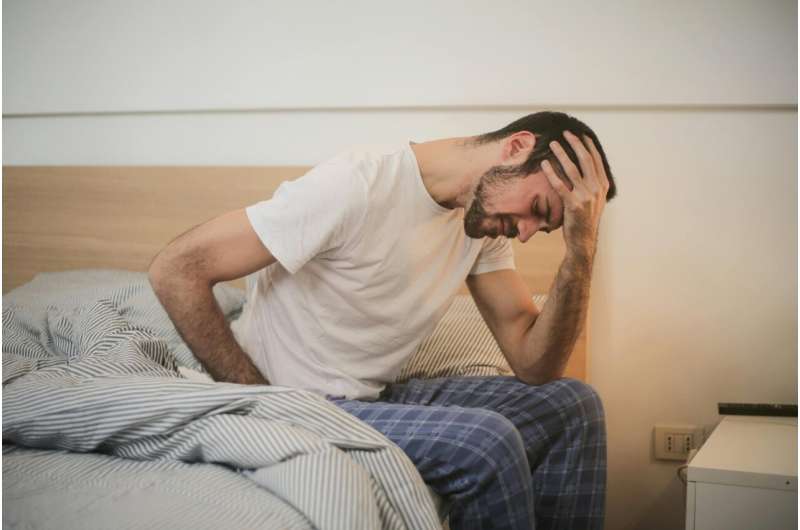
Cancer-related fatigue can be distressing. It is a persistent, subjective sense of physical, emotional and cognitive tiredness and/or exhaustion related to cancer or cancer treatment that is not proportional to recent activity. It interferes with daily function and quality of life. Cancer-related fatigue is different from the usual tiredness we all experience. It’s more intense, it’s not temporary and it’s not relieved by rest alone.
Several factors can contribute to cancer-related fatigue. The cancer itself can lead to fatigue.
Some cancers weaken muscles, damage organs or alter hormones, which can cause fatigue.
Sometimes treatment damages healthy cells in addition to cancer cells. Treatments such as chemotherapy, molecular targeted therapy, hormonal therapies and radiation may all cause fatigue.
Side effects of treatment may result in a blood problem called anemia, pain or stress, all of which can add to the fatigue.
Preexisting conditions, such as anxiety and depression, may also worsen with cancer and play a role in fatigue.
Cancer-related fatigue can happen at any stage. It might start before treatment, become more pronounced during treatment, and sometimes linger even after treatment has ended. Everyone experiences this differently.
The duration of cancer-related fatigue can be variable. For some people, it might improve a few weeks after finishing treatment. For others, it can last for months or even longer. It affects a lot of cancer patients but doesn’t always get proper attention from health care professionals.
Treatments can include physical therapy and exercise guidance to help increase activity levels, medications, complementary and integrative medicine approaches such as yoga and tai chi, and psychological and mindfulness-based strategies to manage emotional stress and monitor fatigue levels. As every patient is different, a combination of these approaches typically works best.
While there’s no way to prevent cancer-related fatigue, several self-care strategies can help boost energy levels, including:
- Staying as active as possible, even if it’s just light exercise. Start slow and find a routine.
- Eating a balanced diet and staying hydrated. Drink plenty of fluids, and limit caffeine.
- Setting a regular sleep schedule, taking short naps if needed, and finding time to relax and reduce stress.
2025 Tribune Content Agency, LLC.
Citation:
Beyond tired with cancer-related fatigue ( 21)
24
cancer-fatigue.html
.
. The content is provided for information purposes only.