

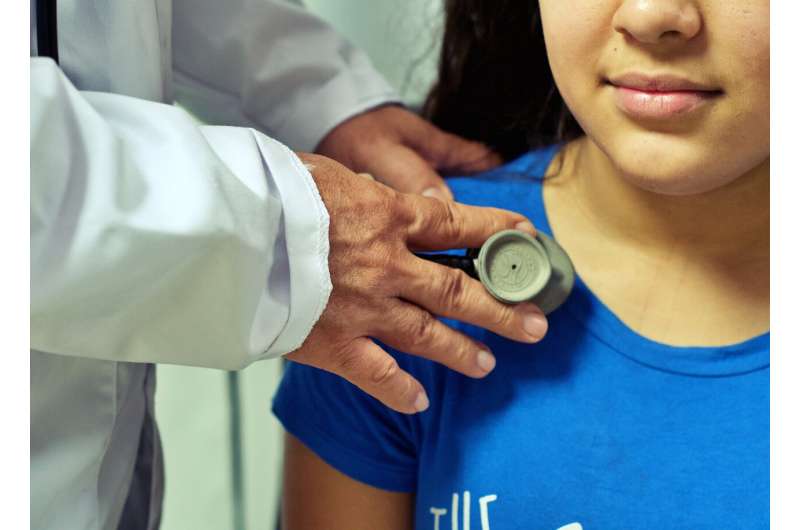
Australian GPs are not adequately monitoring for adverse health outcomes in children and adolescents who are prescribed antipsychotic drugs, according to a new study by University of Adelaide researchers.
The study, published in the Australian and New Zealand Journal of Psychiatry, analyzed medical data from 2011–2017 to see how often children and adolescents were checked for cardiometabolic side effects such as obesity, high blood pressure, high cholesterol and high blood glucose levels, which can develop into type 2 diabetes.
These adverse effects are commonly associated with prescription antipsychotics and often develop more rapidly in young people than in adults.
Researchers discovered that only 10.4% of patients had their weight monitored at least three times within 12 months of starting on antipsychotics, well below the seven to nine occasions recommended in guidelines. Measurement of total cholesterol and blood sugar levels was even lower, with only 0.6% and 0.9% of patients being monitored at recommended levels.
Only a handful of patients had any checks done for the hormone prolactin, which is recommended in guidelines because antipsychotics can elevate levels, increasing the risk of developing low bone density and osteoporosis. It can also interfere with the production of sex hormones.
“These monitoring levels are unacceptably low and are putting the health of children and adolescents at risk,” said University of Adelaide researcher and lead author Dr. Julie Klau, of the Robinson Research Institute’s Critical and Ethical Mental Health research group.
“Hormonal disruptions during puberty are especially concerning. The antipsychotic risperidone is approved by the Therapeutic Goods Administration for use in children and adolescents with severe behavioral problems associated with autism and conduct disorder, or schizophrenia. It is known to increase prolactin levels in over 30% of patients and is the most frequently prescribed antipsychotic to children under 15 years in Australian general practice.”
The researchers also looked at the number of times monitoring occurred in antipsychotic users compared to non-users within a 12-month follow-up period. Patients who were prescribed antipsychotics received, on average, only an extra half visit during which any metabolic measure was checked.
“We just don’t know how well children and adolescents are being monitored within the medical system as a whole,” said University of Adelaide Professor Jon Jureidini, Research Leader of the Critical and Ethical Mental Health research group.
“Some monitoring may be done by specialists, but this study could not look at that. What is clear is that GPs are not doing these health checks often enough.”
According to the authors, there is an urgent need to investigate the extent of safety monitoring that is occurring within the Australian health system when children and adolescents are prescribed antipsychotics, and reasons why so little monitoring is occurring in Australian general practices.
“There also needs to be a coordinated system-wide approach that makes it easier for doctors to ensure that timely monitoring occurs,” said Professor Jureidini.
More information:
Julie Klau et al, Cardiometabolic monitoring in children and adolescents prescribed antipsychotics in Australian primary care, 2011 to 2017, Australian & New Zealand Journal of Psychiatry (2025). DOI: 10.1177/00048674251361696
Citation:
Study highlights insufficient GP health checks for children on antipsychotics ( 29)
3
highlights-insufficient-gp-health-children.html
The content is provided for information purposes only.