

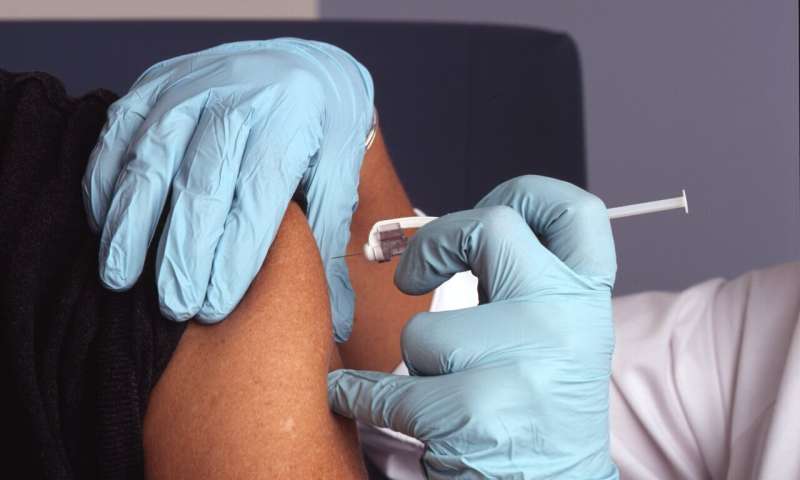
Meningococcal B cases have dropped by more than 70% in the five years since the South Australian Government introduced a publicly funded vaccination program, new data from the University of Adelaide has found.
The program provided 525,755 4CMenB vaccinations for infants under the age of 4 and young people between 15 to 20 years, vaccinating more than 240,000 children since 2018.
“Incidence of meningococcal B in South Australian children less than a year old decreased by 73% and dropped by 76% in adolescents aged 15 to 18 over that five-year period,” says Professor Helen Marshall AM, from the University of Adelaide’s Robinson Research Institute.
“Meningococcal B is one of the most common strains of meningococcal disease, an acute bacterial infection that kills about 10% of those infected, and causes permanent disabilities in about 20% of cases.
“Working with our SA Health and SA Pathology partners, we determined a total of 19 cases in infants and 20 cases in adolescents have been prevented in the first five years of the program, and about three deaths prevented, meaning a large number of families have not had to cope with the devastation of losing a child or their child being disabled for life from such a serious disease.”
Those most at risk are babies and children up to the age of 5 years, and teenagers and young adults from ages 15 to 24 years.
“We found the vaccine was more than 98% effective when children had received all three doses and 92% effective in adolescents who had two doses showing the vaccine is working extremely well in vaccinated individuals,” says Professor Marshall.
“Although the vaccine is highly effective, cases still occurred in South Australia, some in those only partially vaccinated.
“Unfortunately, in 85% of cases in adolescents, they had received no meningococcal B vaccine,” says Professor Marshall, who published the findings in Clinical Infectious Diseases.
“We know that being vaccinated is so important to protect infants and young people against the life-threatening meningococcal B disease—it’s not a vaccination you want to forget or put off having and it’s essential to complete the course to be adequately protected.”
As the meningococcal and gonococcal bugs share 90 percent of the same genes, Professor Marshall and team also analyzed the effectiveness and impact the vaccine had on gonorrhea prevalence.
“We found the vaccine’s effectiveness against gonorrhea after two doses in adolescents was 39%,” says Dr. Bing Wang, a University of Adelaide Future Making Fellow at the Robinson Research Institute and first author of the paper.
“We did see a lower efficiency in those who had their vaccination more than five years ago compared to those who were within five years of vaccination.
“We also found the risk of a subsequent infection for someone who has had two doses of the meningococcal vaccine was lower than those who were unvaccinated.
“This could mean there’s a need for a booster to further protect against gonorrhea, but there is still research to be done to precisely determine the optimal timing,” says Professor Marshall.
“Further work undertaken at our NHMRC Center of Research Excellence in Neisseria disease control will answer that important question.”
More information:
Bing Wang et al, Long-Term Protection Against Invasive Meningococcal B Disease and Gonococcal Infection 5 Years After Implementation of Funded Childhood and Adolescent 4CMenB Vaccination Program in South Australia: An Observational Cohort and Case-Control Study, Clinical Infectious Diseases (2025). DOI: 10.1093/cid/ciaf372
The content is provided for information purposes only.