

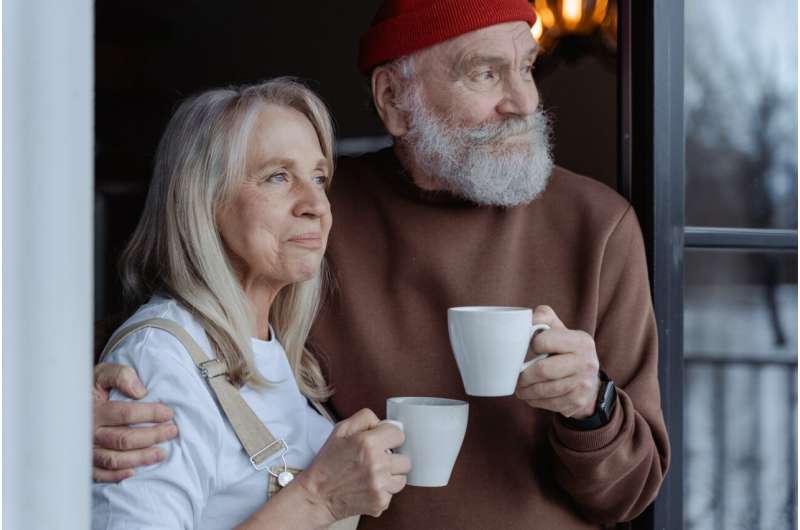
A new study has revealed the most important factors for aging positively, according to the lived experiences and views of older adults in England.
The research by Nottingham Trent University (NTU) aims to combat society’s negative attitude to aging and highlight the role of older adults in shaping their own aging experience—from creating meaningful relationships to giving back. The paper, “I’m more confident now than I ever used to be: a preliminary qualitative study of British older adults’ perception and experience of aging positively,” has been published by The Gerontologist.
Exploring the theme of “what is positive aging?”, a group of 15 participants aged between 56 and 86 took part in interviews with psychologists to share how they were living well as they age.
The researchers identified key themes in the discussions which highlight how positive aging is a complex concept that goes beyond just physical health.
Essential to their experience is building close and harmonious relationships with their spouse, family, and friends. This range of supportive and healthy relationships provided a secure environment where they felt free to be themselves.
The participants also valued intergenerational connections with people both older and younger than themselves—recognizing the richness, meaning, and energy these relationships brought to their lives and how they embraced them with openness and joy.
Engaging with life by learning new things and pursuing personal interests was seen as vital for keeping the mind (and body) active and enjoying life—with some of the participants expressing that they were free to try activities for fun without any expectations.
They also found value in “giving back” through volunteering and community involvement. Simply caring for others—such as grandchildren—provided a sense of purpose and worth.
Accepting that getting older comes with challenges and limitations was also important, helping them to build resilience and adapt to new life stages and changes.
Dr. Miriam Sang-Ah Park, lead researcher and principal lecturer at NTU’s School of Social Sciences, said, “Our findings suggest that how older adults feel and think about their aging is more important than the actual physical changes they go through. We see that positive feelings come from their own thoughts and interpretations, not just from the reality of getting older.
“Our interviewees told us that they often felt overlooked and negatively viewed or patronized, particularly by younger generations, but, despite this, they accepted themselves as they are and weren’t confined by the age-related expectations that society puts on them.”
The study recommends that policies and programs aimed at promoting positive aging be focused on the person, considering older adults’ experiences and priorities beyond physical health.
Dr. Park added, “Older adults are still developing and their aspirations, needs, and wishes matter. We shouldn’t perceive old age as the end-of-life stage where the fulfillment of goals is ignored.
“We need to combat ageist attitudes in society and support older adults with social connections across generations, along with opportunities for community involvement and lifelong learning to continue their sense of purpose.”
More information:
Miriam Sang-Ah Park et al, “I’m more confident now than I ever used to be”: a preliminary qualitative study of British older adults’ perception and experience of aging positively, The Gerontologist (2025). DOI: 10.1093/geront/gnaf149
The content is provided for information purposes only.