

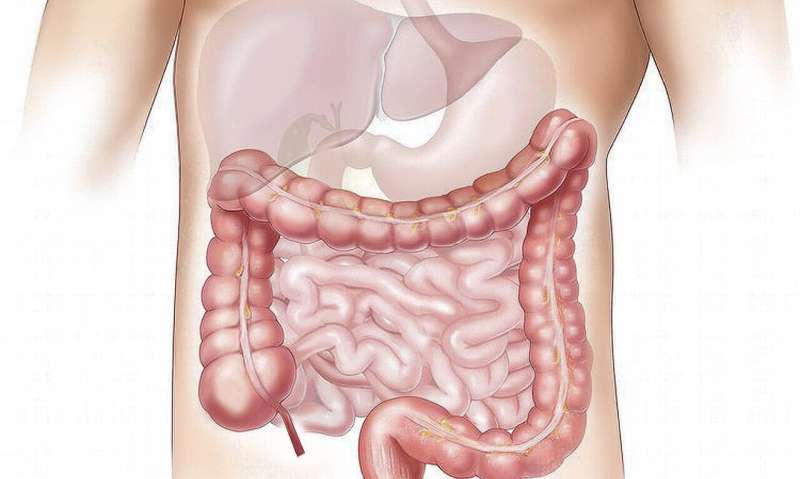
Adults under 50 undergoing colonoscopy were found to have a dramatically higher risk of having colorectal cancer when the procedure was done for rectal bleeding. Researchers found that rectal bleeding increased the odds of a colorectal cancer diagnosis by 8.5 times, underscoring the need to take the symptom seriously even in the absence of a family history in a population who may not otherwise meet screening age criteria.
The research was presented at the American College of Surgeons (ACS) Clinical Congress 2025, held in Chicago, October 4–7.
The retrospective study analyzed 443 patients under 50 who underwent a colonoscopy at the University of Louisville Health System between 2021 and 2023. Of them, 195 (44%) were diagnosed with early-onset colorectal cancer, while 248 (56%) had normal results.
“Many of the early-onset colorectal cancers that I see have no family history,” said senior author Sandra Kavalukas, MD, FACS, a colorectal surgeon at the University of Louisville School of Medicine in Louisville, Kentucky.
“This research lends support to the question of who does or doesn’t warrant a colonoscopy: if you have a person below the screening age with rectal bleeding, you should seriously consider a colonoscopy.”
Key findings
- Symptom-driven care: The vast majority (88%) of patients later diagnosed with early-onset colorectal cancer underwent colonoscopy due to symptoms, such as bleeding, compared to just over half (55%) of non-cancer patients.
- Limited role of genetics: Only 13% of early-onset colorectal cancer cases had a marker often associated with hereditary syndromes, such as genetic alterations that occur in some colorectal cancers. A family history of colorectal cancer, while a factor, was only associated with a two-fold increase in odds.
- Lifestyle risk: Patients diagnosed with early-onset colorectal cancer were also significantly more likely to be former smokers (almost two times higher odds).
The study aims to help clinicians decide which young, symptomatic patients would benefit from undergoing a diagnostic colonoscopy.
“If they’re 35 and they come in with rectal pain, they probably don’t need a colonoscopy,” Dr. Kavalukas explained. “But if they come in with a bleeding complaint, they are 8.5 times more likely to have colorectal cancer.”
The findings address a critical gap in care for young adults who are not eligible for routine screening but are experiencing the fastest-rising rates of colorectal cancer. The study provides data to support coverage for diagnostic colonoscopies in symptomatic young patients.
The U.S. Preventive Services Task Force guidelines recommend screening colonoscopies starting at age 45 for most people without a family history of the disease.
The research team is now working on a larger analysis with the goal of creating a risk score calculator.
More information:
Kavalukas S, et al. Risk Factors and Indicators for Early Onset Colorectal Cancer: A Retrospective Analysis, Scientific Forum, American College of Surgeons (ACS) Clinical Congress 2025.
The content is provided for information purposes only.