

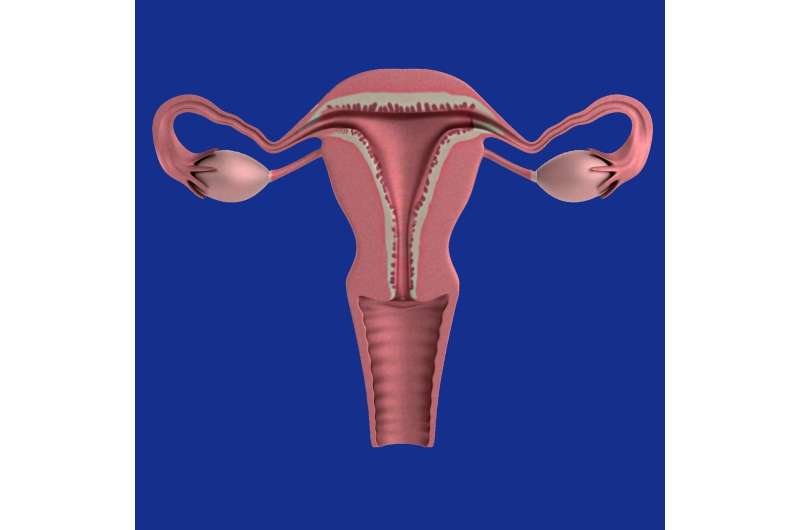
Fear of pain can deter some patients from choosing intrauterine devices (IUDs). In a study appearing in The Annals of Family Medicine, researchers investigated whether intrauterine device (IUD) insertion guided by ultrasound reduces procedure time and pain compared to conventional methods.
At a family medicine teaching health center, patients were assigned to an ultrasound-guided or a conventional IUD insertion group. In the ultrasound-guided group, clinicians used a transabdominal ultrasound to check the uterus, measure the distance from the cervix to the top of the uterus, and confirm IUD placement. They did not perform a bimanual pelvic exam or uterine sounding.
In the conventional group, clinicians did a bimanual exam and uterine sounding before insertion. All procedures were performed by supervised family-medicine residents; ultrasound exams were done by a POCUS-trained family physician, or an OB-GYN. Pain was measured right after the procedure using a 0 to 10 scale. Total procedure time was measured in seconds.
Twenty five patients were in the ultrasound-guided IUD insertion group and 22 patients in the conventional IUD insertion group.
The investigators found that the ultrasound-guided procedure time was significantly shorter than the conventional method. There was no difference in pain scores between the two groups and procedure time did not correlate with pain levels.
Ultrasound guidance during IUD insertion may improve procedural efficiency by reducing procedure time and may also improve workflow and support clinical decision making.
Although the procedure time was shorter for ultrasound-guided IUD insertion, there was no significant difference in reported pain levels between groups.
More information:
Nayoung Sung et al, Ultrasound Guidance Can Reduce IUD Insertion Time, The Annals of Family Medicine (2025). DOI: 10.1370/afm.240573
The content is provided for information purposes only.