

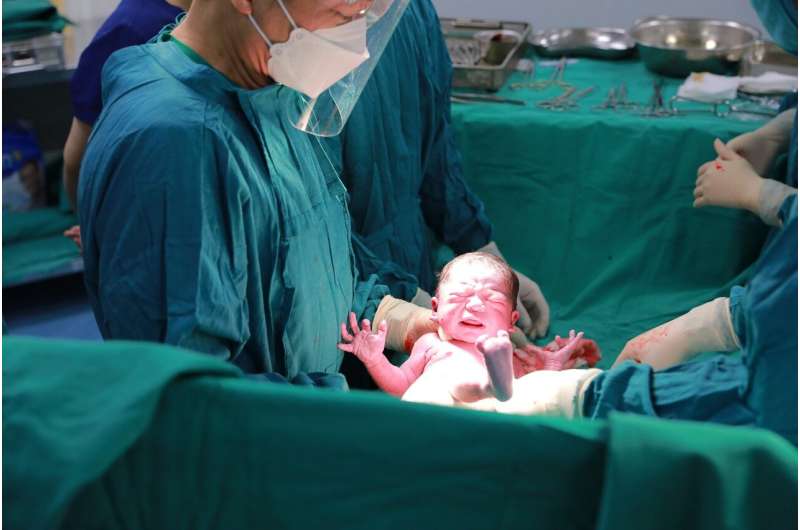
A new study by researchers at Mass General Brigham finds that patients who undergo unscheduled or unplanned cesarean deliveries are at substantially increased risk of experiencing acute psychological stress during childbirth, with effects that can persist for months and impact maternal mental health and early bonding with infants. Results are published in Pregnancy.
The study, which followed more than 1,100 women who gave birth at Massachusetts General Hospital, a founding member of the Mass General Brigham health care system, found that over one in four patients who had an unscheduled cesarean delivery experienced clinically significant acute stress shortly after birth, compared with about one in 16 patients who delivered vaginally.
Even after accounting for medical complications, prior trauma, and mental health history, individuals who had unscheduled cesareans remained more than twice as likely to experience severe stress.
“Unscheduled cesarean delivery can be lifesaving, but for some patients it is also a deeply distressing experience,” said lead investigator Sharon Dekel, Ph.D., MS, MPhil, of the Postpartum Traumatic Stress Disorders Research Program in the Mass General Brigham Department of Psychiatry.
“Our findings show that the emotional impact of these births is common, measurable, and clinically meaningful. While most patients are resilient and won’t have a stress response, we want to make sure that people who are struggling get the resources they need.”
Stress levels were highest when cesarean delivery occurred during labor or in the presence of greater obstetric complications. Importantly, these early stress reactions were not fleeting. Women who reported high levels of acute stress shortly after childbirth were significantly more likely to develop posttraumatic stress symptoms, depression, and difficulties bonding with their infants two months later.
Dekel and her colleagues are actively working on next steps to implement a questionnaire that could help screen postpartum patients at Mass General Brigham and beyond.
The findings also support growing calls for trauma-informed obstetric and postpartum care, particularly for patients who have undergone unexpected interventions during childbirth. Dekel notes that some patients may have an acute stress response but their symptoms may improve with time, which may mean it’s important to screen both immediately after birth and later.
“This study highlights the potential value of brief, low-burden screening for acute stress during postpartum hospitalization, especially after unplanned or medically complicated deliveries,” said Dekel.
“Sometimes, childbirth can become an event that is emotionally loaded or a traumatic experience. But we have great ways of helping people cope, which is why we want to identify patients early and help them get connected.”
More information
The psychological impact of childbirth: Unscheduled cesarean delivery associates with increased risk for acute stress response, Pregnancy (2026). DOI: 10.1002/pmf2.70220
The content is provided for information purposes only.