

Do you know How machines and humans work together to create misinformation
Artificial intelligence (AI) is remarkable for its capabilities, from composing emails to diagnosing diseases, but its confidence in misinformation reveals a unique and troubling trait: its ability to confidently provide wrong answers. Asking a question can sometimes lead to responses that seem perfectly plausible, but are also completely false. This phenomenon is often called “AI hallucinations,” but this term is misleading because AI does not perceive or actually create hallucinations. Instead, errors arise due to incorrect analysis of the data. In psychiatry, hallucinations mean perceiving things that do not exist. But AI doesn’t recognize it. When data is analyzed and errors occur, it creates distorted patterns that we mistake for truth.
Humans amplify AI’s errors
Humans play a key role in perpetuating AI mistakes. Rather than simply replicating our biases, AI amplifies them and wraps them in sophisticated, persuasive language. Humans are vulnerable to persuasive but flawed results from AI because they tend to trust information that resonates emotionally and feels consistent. This creates a reinforcement cycle. We take AI’s mistakes as truth and feed them back into the system, which learns from our behavior.
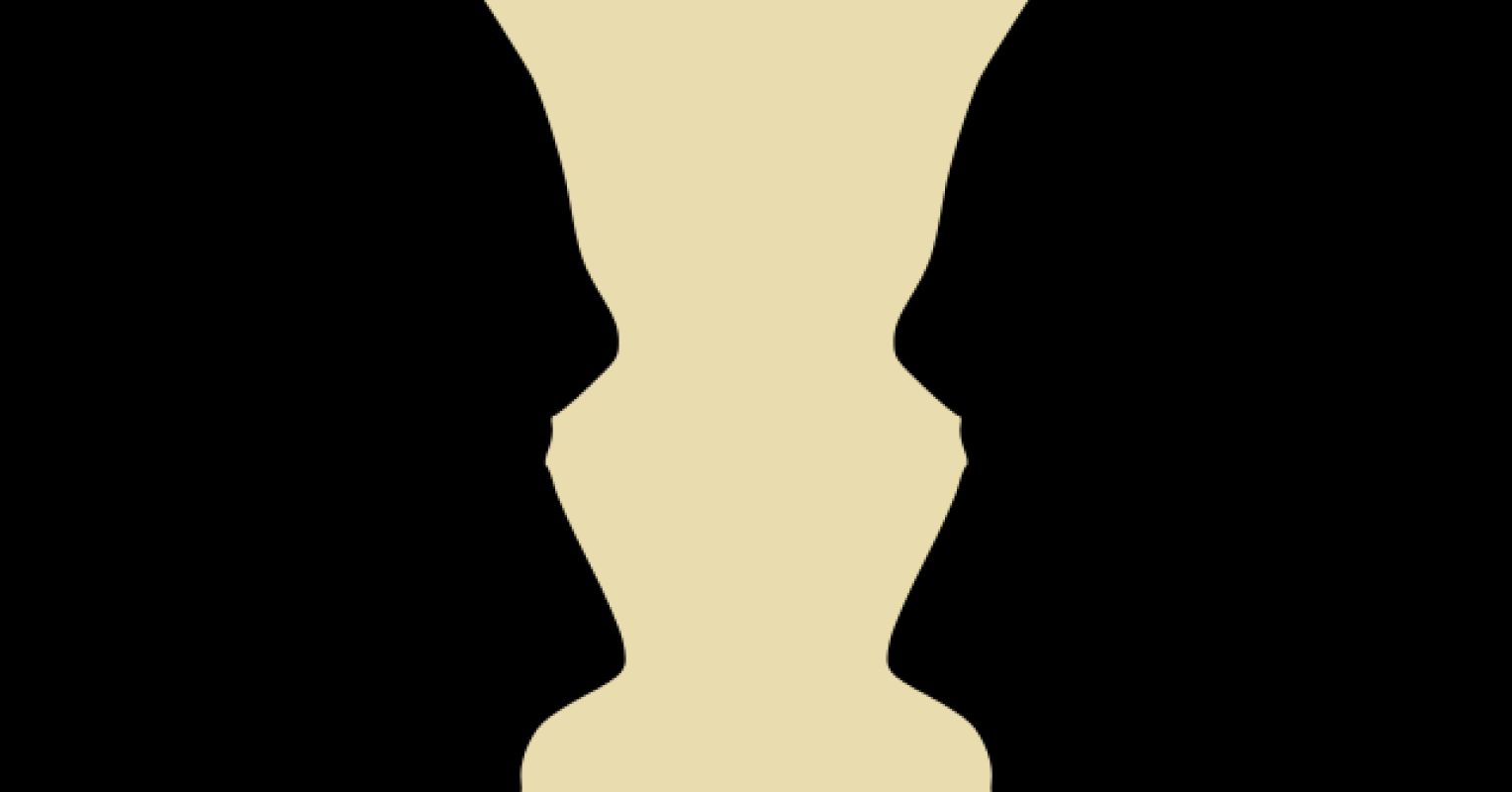
This interaction reflects the principles of Gestalt psychology. The human brain naturally bridges gaps to create consistent patterns. We see a few scattered lines and identify a triangle, or hear a few notes and complete a melody in our minds. When AI provides fragmented or flawed information, we instinctively ‘complete’ it, smoothing out the inconsistencies into something that feels true. The famous optical illusion of Rubin’s vase highlights the following point: Are there two faces or one vase? Our brains fill in the cognitive gaps to create coherent images.
Internet cognitive isomorphism and echo chambers
AI’s training data often reflects the biases of the echo-chambered Internet. Online, like-minded people come together to reinforce each other’s ideas through repetition and emotional resonance. I call this rigid thinking pattern ‘Internet cognitive isomorphism’, a concept that has its roots in my research on grossly overvalued beliefs. Internet cognitive isomorphism describes how repetitive, emotionally charged ideas on the Internet are crystallized into rigid mental frameworks that influence individual and collective thinking. It is not simply an individual characteristic, but a collective cognitive habit formed in the digital age.
AI reflects this cognitive isomorphism. When you interact with users who want to confirm their existing beliefs, you reinforce those ideas. This feedback loop can solidify misconceptions into perceived truths. For example, a user’s question about vaccine risks could produce AI-generated results that reflect the most frequent and often flawed views found online, which could reinforce skepticism rather than provide accurate information.
Why AI Feels “Right”: The Emotional Hook
Gestalt psychology teaches that humans are drawn to patterns that resonate emotionally. AI trained on human language and emotions reflects this trend. This creates an emotionally charged response that feels meaningful even when it is wrong. Heartwarming stories or stories of triumph captivate us because they match our innate desire for coherence and emotional depth, regardless of factual accuracy. In fact, emotionally tagged material is more likely to be remembered by humans.
break the cycle
If AI errors reflect human cognitive biases, can we break this feedback loop? Gestalt psychology provides insight into how we can outperform AI. Just because information feels consistent doesn’t mean it’s true. Ask questions for answers that are overly polished or emotionally satisfying. Humans prefer harmony, but the truth is often messy. Actively seek out perspectives that challenge your views. AI has a tendency to oversimplify complex problems for the sake of clarity. Emphasize more context and details.
Why it matters
AI is deeply integrated into our lives, from assisting doctors to shaping public opinion. If we do not address how it reinforces human bias, we risk amplifying misinformation globally. But this isn’t just about machines, it’s about understanding ourselves. AI can reflect the way we think and activate mirror neurons. Remaining curious, critical, and open to change is essential in the human-AI partnership. As we navigate our evolving relationships, the question is not only about the power of AI, but also about how we choose to use our own minds in collaboration with these powerful tools.
#machines #humans #work #create #misinformation
Feel free to check related posts